
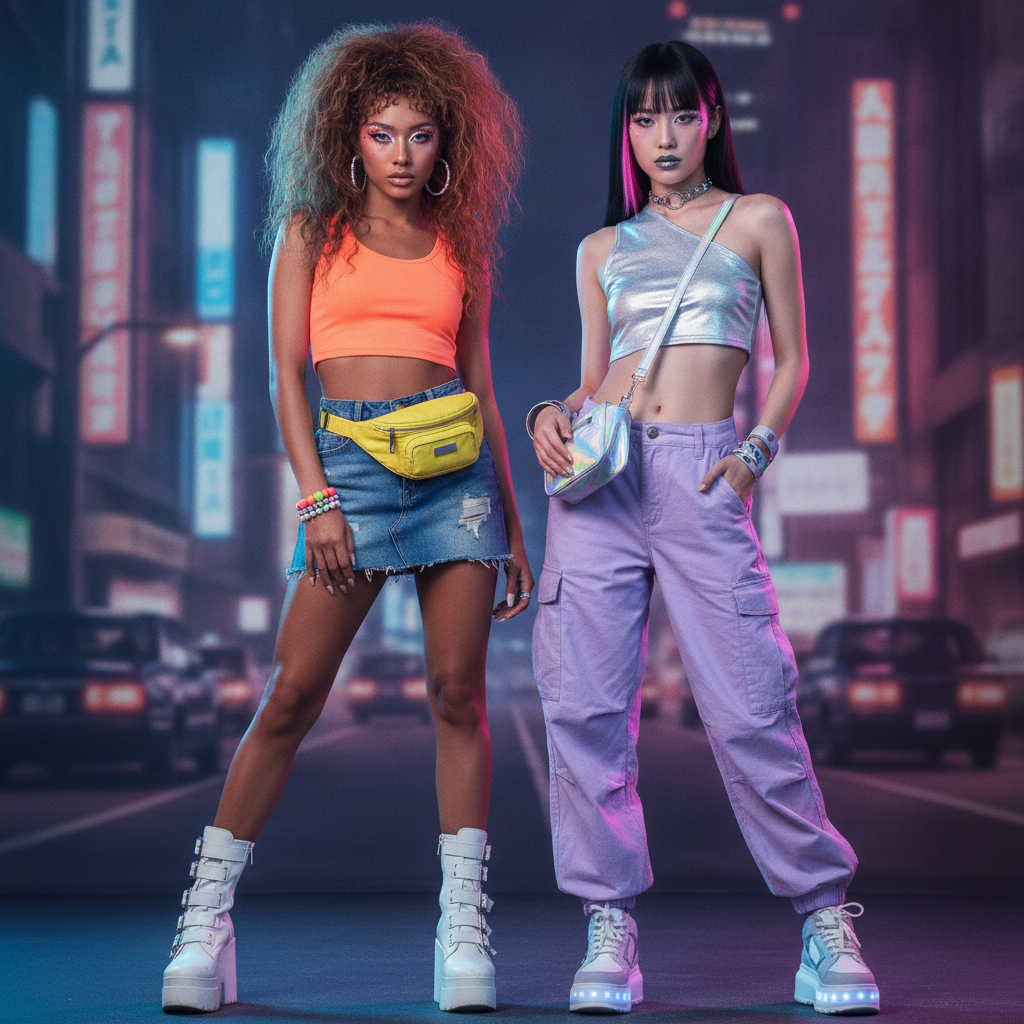
Gyaru fashion remains one of Japan’s most iconic and debated subcultures. From its rebellious 1990s roots in Shibuya to the social-media-driven revival of the Reiwa era, gyaru fashion has never stood still. But here’s the problem: most guides describe each substyle in isolation. Almost none compare them side-by-side.
This article fills that gap. We break down every major gyaru fashion style, compare them head-to-head, and help you decide which look fits your lifestyle, budget, and personality. Whether you’re a newcomer or a returning gyaru, this is the 2026 complete guide you need.
Quick Comparison Table – All Gyaru Fashion Styles at a Glance
Before we dive deeper, here’s a snapshot of every major gyaru fashion style. This table covers era, key traits, price range, and best use cases.
| Gyaru Fashion Style | Era | Skin Tone | Key Clothing | Makeup Level | Price Range | Best For |
|---|---|---|---|---|---|---|
| Classic Heisei Gyaru | 1990s–2010s | Deep tan | Mini skirts, platform boots | Heavy | $150–$500 | Parties, nostalgia |
| Neo Reiwa Gyaru | 2019–present | Natural to light tan | Cropped tops, loose fits | Medium | $100–$400 | Daily wear, events |
| Hime Gyaru | Early 2000s+ | Light to medium tan | Frilly dresses, tiaras | Medium-heavy | $300–$600+ | Special occasions, daytime |
| Agejo Gyaru | 2006–2013 | Light to medium tan | Body-con dresses, heels | Very heavy | $200–$500 | Nightlife, clubs, hostess work |
| Ganguro | 1998–2010 | Extreme dark tan | Platform boots, bright accessories | Extreme white accents | $150–$400 | Festivals, costume events |
| Rokku Gyaru | 2000s–present | Light tan to natural | Leather jackets, band tees | Medium-dark | $150–$400 | Concerts, casual streetwear |
| B-Kei Gyaru | 2000s–present | Natural to light tan | Baggy hoodies, loose pants | Light | $100–$300 | Daily casual, street style |
| Mode Gyaru | 2010s–present | Natural | Trendy high-fashion pieces | Subdued chic | $150–$400 | Office, upscale events |
| Onee Gyaru | 2010s–present | Natural to warm | Elegant dresses, luxury brands | Polished glam | $200–$500 | Work, dinner, date nights |
Classic Heisei Gyaru vs Neo Reiwa Gyaru Overview
Heisei gyaru fashion (1990s–2010s) was defined by the “moru” philosophy — pile on everything. Deep tans, platform boots, voluminous hair, and heavy eye makeup were the norm. Neo Reiwa gyaru fashion (2019–present) takes a different approach. The look is cleaner. Tans are toned down. Makeup is lighter. The overall effect is more adaptable to modern life.
The Reiwa era also shifted gyaru fashion from local Shibuya groups to a global digital community. Instagram and TikTok now drive trends, not print magazines.
Hime Gyaru vs Agejo Gyaru vs Rokku Gyaru Breakdown
These three gyaru fashion substyles occupy very different spaces. Hime gyaru is the princess — think Rococo France in Tokyo. Agejo gyaru is the nightlife queen — bold, body-hugging, and glamorous under neon lights. Rokku gyaru is the rocker — leather, band tees, and dark makeup. Each serves a different mood and occasion.
Ganguro vs Traditional Gyaru Key Differences
Ganguro pushed gyaru fashion to its most extreme. Dark skin, bleached hair, white eye and lip accents — it was a radical rejection of Japanese pale-skin beauty standards. Traditional gyaru fashion also used tanning but kept things more moderate. While ganguro has mostly faded, its legacy lives on in the bold confidence of modern gyaru fashion.
Classic Heisei Gyaru Vs Neo Reiwa Gyaru: The Ultimate Showdown
The biggest debate in the gyaru fashion world today is Heisei vs Reiwa. Is the old-school look “real” gyaru fashion? Or does evolution define authenticity? Let’s break it down.
History and Origins: 1990s Shibuya vs Modern Streetwear
Heisei gyaru fashion was born in early-1990s Shibuya. High school girls (kogyaru) dyed their hair brown, hiked up their skirts, and wore loose socks. This was rebellion. It rejected Japan’s conformity. By 1998, ganguro took the scene to extremes. Ageha magazine launched in 2006, defining the agejo look.
Neo Reiwa gyaru fashion emerged after a 2013–2018 decline. Social media revived the culture. The rules changed. Today’s gyaru fashion prioritizes personal identity over rigid substyle rules. Platforms like TikTok introduced gyaru fashion to a global audience, creating overseas “gaijin gyaru” communities.
Makeup Showdown: Heavy White Makeup vs Minimalist Glam
Heisei gyaru fashion demanded heavy makeup. Thick eyeliner stacked in layers. Large false eyelashes. Dramatic contouring. The goal was to transform your face. White lip and eye accents were common, especially in ganguro.
Neo Reiwa gyaru fashion favors cleaner aesthetics. Smaller false lashes. Thinner eyeliner. Subtler contouring. The base is lighter and more natural. The shift reflects broader beauty trends and the practical demands of daily life.
Pros of Heisei makeup: High visual impact. Strong community identity. Nostalgic appeal.
Cons of Heisei makeup: Time-consuming. Expensive (products add up to $50–$150+ per look). Less practical for daily wear.
Pros of Neo makeup: Faster to apply. More affordable. Works for office and casual settings.
Cons of Neo makeup: Less instantly recognizable as “gyaru fashion.” Some argue it dilutes the rebellious spirit.
Tanning Culture: Deep Tan vs Natural Skin Tones
Deep tanning was a signature of Heisei gyaru fashion. It was a direct challenge to Japan’s traditional pale-skin beauty ideal. Ganguro and yamanba took this to extremes.
Neo Reiwa gyaru fashion has largely abandoned deep tanning. Most modern gyaru opt for their natural skin tone or a subtle warmth. Some health concerns and changing beauty standards drove this shift.
| Aspect | Heisei Gyaru | Neo Reiwa Gyaru |
|---|---|---|
| Tan Level | Deep brown to dark | Natural to light warmth |
| Method | Tanning salons, self-tanners | Minimal to none |
| Skin Health Concern | Not widely discussed | Skin care prioritized |
| Global Appeal | Limited (intimidating to newcomers) | Higher (more accessible) |
Clothing Silhouettes: Platform Shoes & Mini Skirts vs Cropped Tops & Loose Fits
Heisei gyaru fashion silhouettes were bold and uniform. Platform boots added 3–5 inches of height. Mini skirts were mandatory. Tops were often tight or cropped. The overall look emphasized the legs and a dramatic height.
Neo Reiwa gyaru fashion is more varied. Cropped tops remain popular, but you’ll also see loose-fitting pants, oversized jackets, and relaxed layers. Colors stay loud, but the silhouette is more flexible. This makes neo gyaru fashion easier to adapt to different body types and daily settings.
Hairstyles: Beehive & Extensions vs Sleek Styled Hair
Heisei gyaru fashion featured massive hair. Beehive shapes, long extensions, and extreme curls were common. Hair was teased, sprayed, and styled to maximum volume. This was a key visual marker.
Neo Reiwa gyaru fashion favors sleek styled hair. Curls are softer. Volume is controlled. Extensions still appear, but the overall effect is more refined. This reflects the shift toward a polished, modern aesthetic.
Accessories: Maximal Gold & Bling vs Minimalist Coordinated Pieces
Heisei gyaru fashion was maximalist. Gold jewelry, charm bracelets, brand-name bags (especially Louis Vuitton and Burberry), bedazzled phone cases — more was always better.
Neo Reiwa gyaru fashion still loves accessories but takes a more coordinated approach. Fewer pieces, selected for harmony. Statement items remain popular, but the clutter is gone.
Which Era Defines “Authentic” Gyaru Fashion?
This is the central tension in the gyaru fashion community. Old-school gyaru argue that Heisei’s bold aesthetics are what make gyaru fashion unique. Without the tan, without the volume, is it really gyaru fashion?
Neo gyaru supporters point out that gyaru fashion was always about rebellion and self-expression. In the 1990s, that meant rejecting conformity through extreme looks. In 2026, it means rejecting the idea that you must follow rigid rules. The spirit stays the same. The form evolves.
Our take: Both eras are authentic. Heisei defines gyaru fashion history. Reiwa defines its future. The common thread is confidence and refusal to conform.
Hime Gyaru Vs Lolita Fashion: Princess Wars Explained
One of the most common questions in gyaru fashion circles: what’s the difference between hime gyaru and Lolita? Both feature frills, lace, and a princess aesthetic. But the details matter hugely.
Origins: Western Aristocracy Fantasy vs Victorian-Inspired Elegance
Hime gyaru was popularized by the store Jesus Diamante in the early 2000s. It draws from Rococo France and European royalty — think Marie Antoinette meets modern Tokyo street style. The look is glamorous, bold, and deliberately mature.
Lolita fashion emerged in the late 1990s, inspired by Victorian and Rococo clothing. It emphasizes modesty, cuteness, and a doll-like quality. The goal is to look like a refined child, not a mature princess.
In the gyaru fashion world, hime gyaru is considered a distinct substyle, not a branch of Lolita. The communities are separate, though they share some aesthetic overlap.
Color Palette: Pastels & Pinks vs Muted Vintage Tones
Hime gyaru fashion loves pink, white, and gold. The palette is bright, glamorous, and eye-catching. Rose corsages, gemstones, and pearl accents are standard.
Lolita fashion uses a wider range: pastels, black, white, burgundy, navy. The overall effect is more muted and vintage. Sweet Lolita (the pink variant) is closest to hime gyaru, but still maintains distinct differences in silhouette and attitude.
Silhouette Differences: Flamboyant Curves vs Modest Structured Layers
This is the clearest difference. Lolita fashion requires petticoats at all times. Skirts must form a bell shape. Shoulders stay covered. Skirts sit at knee length. No cleavage is shown.
Hime gyaru fashion has no petticoat requirement. Skirts have a subtler shape. Shoulders may be bare. Skirts can be shorter. Cleavage is acceptable. The overall silhouette is more open and body-conscious.
| Feature | Hime Gyaru | Lolita |
|---|---|---|
| Petticoats | Not required | Mandatory |
| Skirt Length | Short (above knee) | Knee length |
| Neckline | Can be low-cut | High, modest |
| Shoulders | Often bare | Covered |
| Footwear | High thin heels | Tea party or platform shoes |
| Material | Wide raschel laces, satin | Cotton cluny, grosgrain ribbons |
Makeup Comparison: Dramatic Eyelashes vs Doll-Like Innocence
Hime gyaru fashion uses dramatic makeup. Large circle lenses, thick lashes, contoured features. The look mimics a mature, glamorous princess. Skin may be lightly tanned.
Lolita fashion uses softer, doll-like makeup. The goal is innocence. Pale skin, natural-looking blush, delicate features. Circle lenses are used but with a softer effect. False lashes appear but are typically smaller and more natural.
Cultural Values: Brand-Obsessed Glamour vs Anti-Trend Purity
Hime gyaru fashion is brand-obsessed. Jesus Diamante, LIZ LISA, and other brands are essential. A full hime gyaru outfit costs €300–€500+ for a single dress. The culture celebrates luxury and visible spending.
Lolita fashion has an “anti-trend” ethos. Brand-original items are respected, but handmade and coordinates-focused values dominate. Pride comes from putting together a beautiful outfit, not from wearing expensive labels. The community actively resists fast fashion.
Can You Mix Hime Gyaru and Lolita Styles?
Yes, but carefully. There is a hybrid called “Hime Lolita” that blends elements from both. Pink color schemes, tiaras, and ruffles work well in both worlds. However, the core silhouettes remain different. If you mix, you need to choose: petticoat or no petticoat? Modest or revealing?
The gyaru fashion community generally accepts hime Lolita as a valid hybrid. The Lolita community is more divided. Purists see it as diluted. Others welcome the creativity.
Agejo Gyaru Vs Hime Gyaru: Glamorous Nightlife vs Regal Daytime Glam
Both agejo and hime gyaru fashion involve glamour. But they serve completely different settings and moods.
Hostess Culture Inspiration vs European Princess Aesthetic
Agejo gyaru was popularized by Ageha magazine in 2006. Its inspiration is Japan’s hostess culture — glamorous, mature, and designed for nightlife. The look targets hostesses, club-goers, and women who want to command attention after dark.
Hime gyaru takes its cues from European royalty. The aesthetic is rococo, aristocratic, and princess-like. It’s designed for daytime socializing, photo shoots, and special occasions.
Outfit Comparison: Body-Con Dresses vs Ornate Frilly Dresses
Agejo gyaru fashion features body-con dresses, tight skirts, and revealing cuts. The silhouette emphasizes the body. Fabrics include satin, sequins, and leather-like materials.
Hime gyaru fashion features ornate frilly dresses with layers of lace, ribbons, and bows. The silhouette is fuller and more structured. Fabrics lean toward lace, tulle, and satin with pearl details.
| Feature | Agejo Gyaru | Hime Gyaru |
|---|---|---|
| Best Setting | Clubs, hostess work, bar | Daytime events, meetups, tea |
| Dress Style | Body-con, tight, revealing | Frilly, ornate, princess-cut |
| Eye Makeup | Extreme cat-eye, glitter | Dramatic lashes, circle lenses |
| Hair | Long, curled, extensions | Bleached, curled, tiaras |
| Attitude | Confident, sexy, adult | Cute, regal, princess-like |
Heels & Shoes: Stilettos vs Platform Mary Janes
Agejo gyaru demands stilettos. Thin, tall heels (4–6 inches) are standard. The shoes are usually black, nude, or leopard print. The goal is to elongate the leg and add height.
Hime gyaru prefers platform Mary Janes or thin heels. Shoes often have decorative elements — bows, gems, or ankle straps. Height is important, but comfort for longer wear is also considered.
When to Wear Each Gyaru Substyle
- Agejo gyaru: Nightclubs, hostess shifts, dinner parties with a glamorous dress code, photo shoots with a mature theme.
- Hime gyaru: Daytime meetups, tea parties, birthday events, themed photo shoots, gyaru community gatherings.
Budget Considerations for Agejo vs Hime Gyaru Fashion
Agejo gyaru fashion can be built on a moderate budget. Body-con dresses from WEGO start around $30–$50. Heels from Japanese platforms cost $40–$100. A full agejo gyaru look can be assembled for $100–$300.
Hime gyaru fashion is significantly more expensive. Brand dresses from Jesus Diamante or LIZ LISA run $200–$500+. Accessories (tiaras, jewelry) add $50–$200. A full hime gyaru look typically costs $300–$600+.
For budget-conscious newcomers, agejo gyaru fashion is the more accessible starting point.
Ganguro Vs Traditional Gyaru Fashion: Radical Rebellion vs Mainstream Bold
Ganguro is the most extreme form of gyaru fashion ever created. It’s also the most misunderstood. Here’s where it fits in the broader picture.
Dark Skin Movement: Why Ganguro Defied Japanese Beauty Standards
Traditional Japanese beauty standards prize fair, pale skin. Ganguro flipped this completely. Starting around 1998 in Shibuya, young women deliberately darkened their skin to an extreme degree. They paired this with bleached blonde or colorful hair, white eye and lip accents, and platform boots.
This was more than fashion. It was a statement. Ganguro said: “We refuse your beauty standards.” It was the most radical act of defiance in all of gyaru fashion.
Manba vs Ganguro: Even More Extreme Evolution
Manba (also called yamanba) took ganguro and pushed it further. Manba gyaru fashion added white face paint, neon accessories, folklore-inspired elements, and even more extreme hair bleaching. The name comes from “Yama-uba,” a Japanese mountain witch from folklore.
While ganguro faded by the 2010s, manba left a lasting impression on gyaru fashion history. It proved that Japanese street fashion could go to extremes that rivaled anything in the world.
Why Ganguro Faded (But Left a Legacy)
Several factors killed ganguro gyaru fashion:
- Health concerns: Extreme UV exposure raised skin damage worries.
- Social stigma: The look became too extreme for mainstream acceptance.
- Economic factors: The cost of constant tanning sessions was prohibitive.
- Cultural shift: By 2013, the gyaru fashion scene had shifted toward more moderate looks.
But ganguro’s legacy persists. Its spirit of rebellion lives on in every gyaru fashion look that says “I don’t care what you think.”
Traditional Gyaru’s Relationship with Tanning Culture
Traditional gyaru fashion (non-ganguro) also used tanning. But it was moderate — a light to medium tan that suggested health and beach culture, not an extreme rejection of pale-skin norms. The tan was one element among many: mini skirts, loose socks, branded bags, and dramatic makeup.
In the Reiwa era of gyaru fashion, tanning has largely disappeared. Most modern gyaru keep their natural skin tone. Skin health has become a priority, reflecting broader beauty trends in Japan.
Modern Takes on Ganguro Fashion in 2026
Ganguro gyaru fashion no longer exists as an active street style. But elements resurface in creative, controlled ways:
- Cosplay and costume events feature ganguro looks.
- Social media creators occasionally revive the aesthetic for content.
- Fashion historians and documentaries keep the memory alive.
- Some neo-reiwa gyaru incorporate light tanning as a nod to the tradition.
Ganguro remains a symbol of gyaru fashion’s most fearless period.
Rokku Gyaru Vs B-Kei Gyaru: Punk Edge vs Hip-Hop Influence
These two gyaru fashion substyles both reject the glamorous, hyper-feminine mainstream look. But they come from very different cultural roots.
Rock & Roll Inspiration vs American Streetwear Roots
Rokku gyaru fashion draws heavily from rock and visual kei music culture. The aesthetic includes black leather, band tees, dark makeup, and heavy boots. Bands like Malice Mizer and Dir en grey influenced the look during its 1980s–2000s heyday.
B-Kei gyaru takes inspiration from American streetwear and hip-hop culture. Think baggy hoodies, loose pants, sneakers, and gold chains. The look borrows from urban fashion, creating a cool “boyish” femininity within gyaru fashion.
Outfit Staples: Leather Jackets vs Baggy Hoodies
| Element | Rokku Gyaru | B-Kei Gyaru |
|---|---|---|
| Tops | Band tees, leather jackets | Oversized hoodies, sports jackets |
| Bottoms | Skinny jeans, leather pants | Baggy pants, cargo pants |
| Colors | Black, dark red, metallics | Neutrals, navy, gray, sporty colors |
| Footwear | Platform boots, combat boots | Sneakers (Nike, Adidas) |
| Layering | Mesh over tees, studded belts | Hoodie over tee, loose layers |
Jewelry & Accessories: Chains & Studs vs Gold & Bling
Rokku gyaru fashion uses chains (wallet chains, neck chains), studs (belts, bracelets), spikes, and dark-colored jewelry. Silver and black metal dominate. The vibe is aggressive and anti-establishment.
B-Kei gyaru fashion favors gold chains, oversized hoop earrings, nameplate jewelry, and sporty watches. Gold and bright metals dominate. The vibe is confident and street-smart.
Hairstyles: Bleached & Messy vs Styled & Gelled
Rokku gyaru hairstyles tend to be bleached, messy, and asymmetrical. Think choppy layers, dark roots with light tips, and textured volume. The effort is to look effortless — like you just rolled out of a rock show.
B-Kei gyaru hairstyles are styled and gelled. Clean lines, controlled volume, side parts, and smooth finishes. The effort is more visible — the look is deliberate and well-groomed.
Attitude Comparison: Rebellious Rocker vs Confident Street Queen
Rokku gyaru projects a “don’t care” attitude. The look says: “I’m here for the music, not your approval.” It’s dark, moody, and intentionally intimidating.
B-Kei gyaru projects confidence and swagger. The look says: “I run the street.” It’s laid-back, approachable, and self-assured. Unlike rokku’s darker energy, B-Kei brings a playful, sporty edge to gyaru fashion.
Mode Gyaru Vs Onee Gyaru: High Fashion vs Mature Elegance
As gyaru fashion matured, two “grown-up” substyles emerged: mode gyaru and onee gyaru. Both suit older women and professional settings. But they differ sharply in approach.
Western Runway Inspiration vs Sophisticated Adult Glamour
Mode gyaru fashion takes cues from Western high-fashion runways. Think clean lines, trendy cuts, and modern silhouettes. The look is fashion-forward, minimal, and cool. It borrows from brands like Dior, Celine, and contemporary Japanese designers.
Onee gyaru fashion emphasizes sophisticated adult glamour. The look is polished, warm, and elegant. It favors classic cuts, luxurious fabrics, and a “well-dressed grown woman” vibe. Brand obsession remains, but the focus shifts to premium labels with timeless appeal.
Age Appropriateness: Young Adult vs Grown Woman Style
Mode gyaru targets teens to mid-20s. The audience wants to look fashionable but still youthful. It’s the gyaru fashion bridge between high school rebellion and adult life.
Onee gyaru targets late 20s to 30s. The term “onee” literally means “older sister.” The audience has graduated from extreme styles and wants elegance with a touch of former rebelliousness.
Versatility: Office-Worthy vs Occasion-Specific Fashion
Mode gyaru fashion is versatile enough for office wear in creative industries. Clean mode pieces work in many professional settings. You can dress mode gyaru fashion up or down with ease.
Onee gyaru fashion is more occasion-specific. It excels at dinner dates, upscale events, and formal settings. Some onee gyaru pieces work in conservative offices, but the full glam look may be too polished for daily work wear.
Makeup Intensity: Subdued Chic vs Polished Glam
Mode gyaru makeup is subdued. Neutral tones, light contouring, defined but not dramatic eyes. The look is “effortlessly chic.” Skin is natural and well-cared-for.
Onee gyaru makeup is polished glam. Defined brows, warm-toned eyeshadow, contouring, and a flawless base. The look is “done up” but elegant rather than loud.
Career-Friendly Gyaru Fashion Options
For working professionals who want to maintain gyaru fashion identity:
- Mode gyaru is the most career-friendly option. Office-appropriate cuts with a fashionable edge.
- Onee gyaru works in client-facing roles, hospitality, and creative industries.
- B-Kei gyaru elements (sneakers, sporty jackets) fit casual workplaces.
- Hime and agejo are generally not suitable for standard office environments.
Gyaru Fashion Vs Other Japanese Subcultures
Gyaru fashion doesn’t exist in isolation. Japan’s street fashion scene includes many subcultures with overlapping aesthetics. Here, we compare gyaru fashion with four major competitors.
Gyaru vs Mori Kei: Bold & Flashy vs Soft & Natural
Mori Kei (forest style) is gyaru fashion’s opposite. Where gyaru fashion celebrates bold colors, tans, and glamour, Mori Kei embraces earth tones, natural fabrics, and a soft, unmade look. Layers of flowy skirts, cotton cardigans, and minimal makeup define Mori Kei. The aesthetic draws from nature and a quiet, rustic life.
| Aspect | Gyaru Fashion | Mori Kei |
|---|---|---|
| Colors | Pink, gold, bright, loud | Greens, browns, creams, muted |
| Silhouette | Body-conscious, structured | Flowing, layered, relaxed |
| Skin | Tanned or warm-toned (historically) | Natural, pale |
| Makeup | Dramatic to polished | Minimal to none |
| Attitude | Bold, rebellious, attention-grabbing | Soft, gentle, nature-inspired |
Gyaru vs Dolly Kei: Glamorous vs Vintage Eerie
Dolly Kei shares some aesthetic overlap with hime gyaru fashion — lace, ribbons, dolls. But Dolly Kei is distinctly darker and more antique. Think vintage 1920s–1940s imagery, faded fabrics, antique keys, old dolls with cracked porcelain faces. The vibe is eerie and nostalgic, not glamorous and bright. Gyaru fashion celebrates visibility. Dolly Kei celebrates a haunted, dreamlike quality.
Gyaru vs Amekaji: Extravagant Sexy vs Laidback Sporty
Amekaji (American casual) fashion is gyaru fashion’s sporty cousin. It borrows from American college wear, surf culture, and vintage sportswear. Think Oxford shirts, chinos, loafers, and varsity jackets. The look is relaxed, gender-neutral, and completely un-flashy. Where gyaru fashion demands attention, Amekaji whispers.
Gyaru vs Fairy Kei: 80s Pop Glamour vs Kawaii Nostalgia
Fairy Kei shares gyaru fashion’s love of big hair and playful energy. But Fairy Kei channels 1980s pastel nostalgia — think Care Bears, My Little Pony, and bubblegum pop. The palette is all pastels and neon. There’s no tanning, no heavy makeup, no skin-baring. The look is whimsical, sweet, and intentionally childlike. Gyaru fashion is mature and sexy. Fairy Kei is innocent and fantastical.
How to Choose Your Gyaru Fashion Style: A Decision Framework
With so many gyaru fashion substyles, how do you pick the right one? Here’s a practical decision framework.
Consider Your Lifestyle: Day Events vs Night Parties
Your daily routine matters. If you work in a creative office and go out at night, onee gyaru or mode gyaru fashion may work. If your social life revolves around clubbing, agejo is ideal. If you love weekend events and meetups, hime gyaru is a natural fit. If you want a casual daily gyaru fashion look, B-Kei or neo-reiwa styles are most practical.
Budget Reality Check: Luxury Brands vs DIY Gyaru Fashion
| Budget Level | Recommended Substyle | Estimated Setup Cost |
|---|---|---|
| Under $200 | B-Kei, Neo Reiwa (WEGO, secondhand) | $100–$200 |
| $200–$400 | Mode, Rokku, Agejo (mixed brands) | $200–$400 |
| $400–$600 | Onee, Hime Gyaru (selective brand items) | $400–$600 |
| $600+ | Hime Gyaru (full brand outfit) | $600–$1,000+ |
Don’t overspend. Start small. Add pieces over time. Secondhand platforms like Mercari Japan and Rakuten offer major savings.
Personality Match: Rebellious vs Elegant vs Playful
- Rebellious: Rokku gyaru or classic ganguro-inspired looks.
- Elegant: Hime gyaru or onee gyaru.
- Glamorous/Sexy: Agejo gyaru.
- Playful/Casual: B-Kei or neo-reiwa gyaru.
- Fashion-forward: Mode gyaru.
Mixing Gyaru Substyles: Creating Your Unique Look
Gyaru fashion has always been about mixing. Heisei gyaru layered brands freely. Reiwa gyaru fashion encourages even more experimentation. Here are popular combinations:
- Hime + Onee: Princess pieces with elegant, minimal makeup. Great for upscale daytime events.
- Rokku + B-Kei: Leather jacket with baggy pants. Perfect for casual street style.
- Mode + Agejo: High-fashion cuts with dramatic evening makeup. Ideal for parties.
- Neo Reiwa + any accent: Use neo-reiwa as a base and add agejo eye makeup, rokku accessories, or hime accessories.
The rule: if it looks cohesive and you feel confident, it works.
Where to Shop for Gyaru Fashion in 2026
Here are the best platforms for buying gyaru fashion in 2026:
- Neokyo (neokyo.com) — Japan-based proxy with global shipping. Carries multiple gyaru brands and substyles.
- WEGO (wego.jp) — Affordable, trendy pieces accessible worldwide. Great for beginners.
- YesStyle (yesstyle.com) — Carries gyaru-inspired fashion and accessories globally.
- ShopTsumiki — Curated Japanese fashion including gyaru pieces.
- Mercari Japan (mercari.com/jp) — Secondhand goldmine. Find vintage hime gyaru and agejo pieces at reduced prices.
- Rakuten (rakuten.co.jp) — Full Japanese marketplace with gyaru brand options.
- Gyaru Closet — International secondhand gyaru fashion shop.
- Etsy — Handmade and vintage gyaru accessories and clothing.
Ready to start building your gyaru fashion wardrobe? Visit Neokyo’s gyaru collection for beginner-friendly pieces with international shipping. For budget options, check WEGO for gyaru-inspired staples under $30.
Community Debates: Old School vs New School Gyaru Fashion
The gyaru fashion community is alive with debate. These are the hottest discussions right now.
Reddit’s Heisei vs Reiwa Gyaru Discussion
On r/actualgyaru, debates rage between Heisei purists and Reiwa modernists. Purists say: “If you don’t tan and your makeup isn’t heavy, it’s not gyaru fashion.” Modernists say: “Gyaru fashion was always about attitude, not specific looks.” The truth likely lies somewhere in between. Heisei defined the look. Reiwa defines the future. Both are valid.
Is Modern Gyaru “Too Tame”?
A common critique: neo-reiwa gyaru fashion has lost its edge. Without extreme tanning, without massive hair, without rule-breaking, is it still rebellious? Some community members feel neo gyaru fashion has become just another “Instagram aesthetic.” Others argue that rebellion evolves. In 2026, being yourself in a conformist society is rebellion enough.
The Role of Social Media in Gyaru Evolution
Social media changed everything for gyaru fashion. TikTok and Instagram:
- Introduced gyaru fashion to millions of non-Japanese fans.
- Created the “gaijin gyaru” (foreign gyaru) global community.
- Flattened local scene hierarchies — now anyone can be a gyaru influencer.
- Speeded up trend cycles. What once took months now takes weeks.
- Prioritized visual impact over community participation.
This digital shift has been both positive (more access, more diversity) and negative (loss of local culture, pressure to perform for likes).
Respecting Tradition While Embracing Change
Healthy gyaru fashion communities balance both. They honor Heisei history by educating newcomers about ganguro, kogyaru, and the substyle system. They embrace Reiwa by welcoming newcomers and allowing personal interpretation.
If you’re entering gyaru fashion in 2026: learn the history. Respect the pioneers. Then make the style your own.
FAQ: Gyaru Fashion Comparison Questions Answered
Can foreigners wear gyaru fashion authentically?
Yes. The “gaijin gyaru” community is growing every year. Gyaru fashion has always been about personal expression, not ethnicity. In the Reiwa era, gyaru fashion is explicitly more inclusive. The key is respect: learn the culture, understand the history, and participate sincerely. If the gyaru fashion community in Japan accepts you, you’re gyaru.
What’s the cheapest way to start a gyaru wardrobe?
Start with B-Kei or neo-reiwa gyaru fashion basics:
- A pair of loose pants or a mini skirt ($15–$30 from WEGO).
- A cropped top or hoodie ($15–$25).
- Platform sneakers ($40–$60).
- Basic circle lenses ($20–$40).
- A simple makeup kit ($30–$50).
Total start-up: around $120–$200. Add pieces over time. Buy secondhand on Mercari Japan and Rakuten for major savings.
Which gyaru substyle is best for everyday wear?
For daily wear, these are the most practical gyaru fashion substyles:
- Neo Reiwa gyaru — Designed for modern life. Adaptable and practical.
- Mode gyaru — Fashionable but office-friendly.
- B-Kei gyaru — Casual street style, easy to maintain.
Hime gyaru and agejo are better reserved for events and special occasions.
Do I need to tan to be a gyaru in 2026?
No. In the Reiwa era, tanning is not required for gyaru fashion. Most modern gyaru keep their natural skin tone. If you want to tan (subtly), that’s fine. If not, that’s also fine. The gyaru fashion community in 2026 accepts all skin tones.
Can I mix gyaru with Western fashion trends?
Absolutely. Mixing is part of gyaru fashion DNA. In the Heisei era, gyaru mixed American brands (Burberry, Louis Vuitton) with Japanese styles. In the Reiwa era, you can mix gyaru elements with:
- Y2K fashion (already a natural overlap).
- Streetwear (B-Kei already draws from this).
- K-pop fashion (similar glam energy).
- Cottagecore or dark academia (hime gyaru crossover potential).
- Minimalist fashion (mode gyaru crossover).
The best gyaru fashion looks are personal. Use gyaru fashion elements as accents in any wardrobe.
How has gyaru fashion changed since the 1990s?
| Aspect | 1990s Gyaru Fashion | 2026 Gyaru Fashion |
|---|---|---|
| Community | Local Shibuya groups | Global, online, TikTok-driven |
| Tanning | Essential | Optional |
| Hair | Massive volume | Sleek, controlled |
| Makeup | Heavy and layered | Cleaner and lighter |
| Accessories | Maximal, cluttered | Coordinated, strategic |
| Substyle Rules | Rigid | Flexible |
| Inclusivity | Limited | Much more inclusive |
| Magazine Dependency | Total (Ageha, Egg, etc.) | Replaced by social media |
The core hasn’t changed: gyaru fashion is still about confidence, boldness, and rejecting conformity. The expression has evolved.
Final Verdict: Which Gyaru Fashion Style Is Right for You?
After comparing every major gyaru fashion substyle, here’s the bottom line:
- For daily wear and work: Mode gyaru or neo-reiwa gyaru fashion. Practical, adaptable, still bold.
- For nightlife and glamour: Agejo gyaru. Unmatched club energy.
- For special events and photos: Hime gyaru. The full princess experience.
- For casual street style: B-Kei gyaru. Cool, comfortable, approachable.
- For music fans and rebels: Rokku gyaru. Dark, loud, uncompromising.
- For mature elegance: Onee gyaru. Sophisticated without losing edge.
- For costume and creative work: Ganguro-inspired looks. Extreme, unforgettable.
Gyaru fashion is not a single look. It’s a spectrum of bold self-expression. The best style is the one that makes you feel confident. The gyaru fashion community in 2026 welcomes everyone who brings genuine energy.
Your next step: Pick one substyle that excites you. Build a starter outfit under $200. Post it. Connect with the community. And remember: gyaru fashion was always about being unapologetically yourself.
Start your gyaru fashion journey today. Browse beginner-friendly pieces at Categories Fashion