
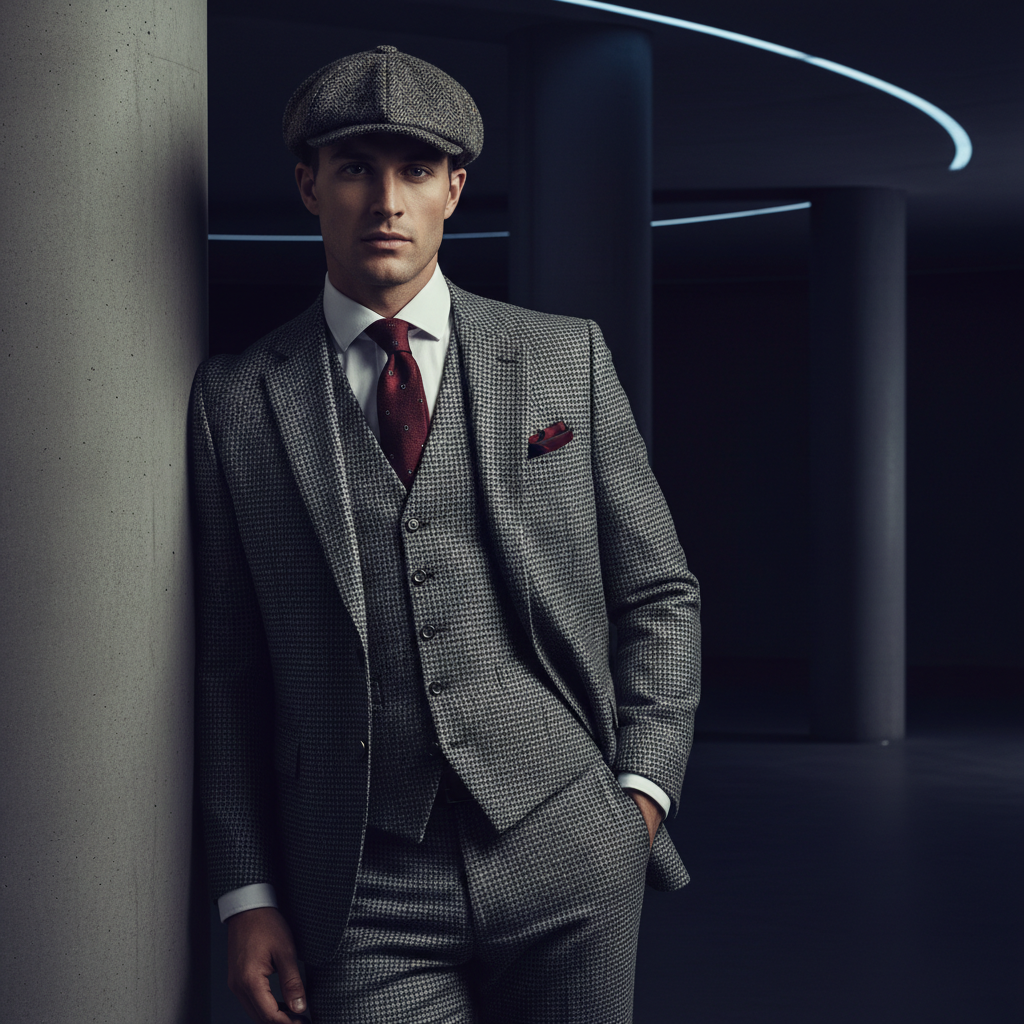
The 1920s was a golden age for men’s style. After World War I, men wanted to look sharp and confident. This era gave us classic suits, stylish hats, and timeless accessories that still look amazing today. If you love vintage style or want to stand out at special events, learning 1920s guy fashion is a great choice. This guide will teach you everything you need to know, step by step.
By the end of this tutorial, you will know how to pick the right suit, style your shirts and trousers, choose perfect accessories, and wear 1920s fashion for modern occasions. Let’s start your journey into classic men’s style!
Quick Picks: 5 Essential Elements of 1920s Men’s Fashion
Before we dive deep, here are the five must-have pieces for authentic 1920s guy fashion. These items form the foundation of your vintage wardrobe.
The Three-Piece Suit Foundation
A three-piece suit includes a jacket, vest, and trousers. This was the standard look for well-dressed men in the 1920s. The jacket had wide lapels and a loose fit. The vest covered your waistband completely. Together, they create a polished, gentlemanly appearance.
High-Waisted Trousers
1920s trousers sat higher on your waist than modern pants. They had a straight leg with a slight break at the shoe. The high waist made your legs look longer and gave you a classic silhouette. Always wear them with suspenders, not a belt.
Classic Hats: Fedoras & Flat Caps
Hats were essential in the 1920s. No gentleman left home without one. The fedora had a pinched crown and wide brim. The flat cap was rounder and more casual. Choose based on your face shape and the occasion.
Two-Tone Shoes
Also called spectator shoes, these had two colors, usually white and brown or black. They were perfect for summer and special events. For everyday wear, classic Oxfords or brogues in black or brown leather worked well.
Period-Appropriate Accessories
Accessories complete your 1920s look. You need a tie or bow tie, pocket square, cufflinks, and maybe a pocket watch. These small details show you understand vintage style and pay attention to the little things.
Step 1: How to Choose the Right 1920s Suit for Your Body Type
Picking the right suit is the most important step in mastering 1920s guy fashion. The 1920s had a unique silhouette that flattered many body types when chosen correctly.
Understanding 1920s Suit Silhouettes
1920s suits were different from today’s slim-fit styles. They had a relaxed, boxy shape with natural shoulders. The jacket was longer, often covering most of your seat. The waist was not tightly fitted, giving you comfort and a classic look.
Best 1920s Suit Styles for Different Body Types
| Body Type | Recommended Style | Key Features |
|---|---|---|
| Tall and Thin | Double-breasted jacket | Adds width to your chest, horizontal lines balance your height |
| Short and Stocky | Single-breasted, two-button | Creates vertical lines, makes you look taller |
| Athletic Build | Standard three-piece | Shows off your shape without being too tight |
| Heavy Build | Dark colors, straight cut | Dark shades slim your appearance, avoid tight fits |
1920s Suit Fabric and Color Selection Guide
Choose fabrics based on the season. For summer, pick lightweight wool, linen, or cotton blends in light colors like tan, light gray, or cream. For winter, go with heavier wool, tweed, or flannel in dark gray, navy, or brown. Pinstripes were very popular in the 1920s and still look great today.
Step 2: How to Style 1920s Shirts, Vests, and Trousers
Now that you have your suit, let’s talk about what goes underneath. The right shirt, vest, and trousers make your 1920s guy fashion look authentic and sharp.
Choosing the Right Collar Style for 1920s Fashion
The 1920s had several collar styles. The most popular were:
- Club collar: Rounded edges, very classic and soft-looking
- Arrow collar: Pointed and stiff, perfect for formal events
- Detachable collar: You could remove and wash it separately, very practical
For beginners, start with a club collar shirt. It’s easy to find and looks great with any 1920s outfit.
1920s Vest Styling Rules
Your vest should always cover your waistband. This is a strict rule in 1920s fashion. The vest should fit snugly but not tight. Leave the bottom button undone, a tradition that started with King Edward VII. Make sure the vest color matches or complements your suit.
1920s Trouser Fit and Break Guidelines
1920s trousers should have a straight leg, not skinny or baggy. They should sit at your natural waist, above your hips. The “break” is where the trouser meets your shoe. Aim for a slight break, where the fabric just touches the top of your shoe. Too much break looks sloppy; no break looks too modern.
Step 3: How to Accessorize 1920s Guy Fashion Like a Gentleman
Accessories are what separate a good outfit from a great one. In the 1920s, men paid close attention to these finishing touches.
1920s Hat Selection and Wearing Etiquette
Choose your hat based on the occasion and season:
- Fedora: Good for most occasions, tilt it slightly to one side
- Flat cap: More casual, great for daytime events
- Straw boater: Perfect for summer and outdoor events
- Homburg: Very formal, wear to weddings and important meetings
Always remove your hat indoors, especially in homes, restaurants, and elevators. This shows respect and good manners.
Tie, Pocket Square, and Cufflink Choices
Your tie should be silk or knit, in solid colors or simple patterns like stripes or dots. The pocket square should complement your tie but not match it exactly. Fold it in a simple straight fold for a classic look. Cufflinks should be simple and elegant. Gold or silver works best. Avoid flashy designs.
Watches, Jewelry, and Other Details
A pocket watch was the standard in the 1920s. Attach it to your vest with a chain. If you prefer a wristwatch, choose a simple leather strap design. For jewelry, less is more. A signet ring or simple tie pin is enough. Avoid bracelets, necklaces, or earrings, which were not common in the 1920s.
1920s Footwear: Oxfords, Brogues, and Two-Tone Shoes
Your shoes should be polished and in good condition. Oxfords are the most formal choice, perfect for business and evening events. Brogues have decorative holes and work well for daytime wear. Two-tone spectator shoes are great for summer and parties. Always match your shoe color to your belt.
Step 4: How to Adapt 1920s Fashion for Modern Occasions
You don’t need to wear full 1920s costume to every event. Here’s how to adapt this classic style for today’s world while keeping the vintage charm.
Wearing 1920s Style to Work
For the office, tone down the vintage look. Wear a modern three-piece suit in a neutral color like gray or navy. Skip the pocket watch and use a simple wristwatch. A classic tie and polished Oxfords complete the look. This gives you a distinguished appearance without looking like you’re in a costume.
1920s Date Night Outfits
Date night calls for style with personality. Try a dark suit with a contrasting vest. Add a pocket square in a bold color. Wear brogues or two-tone shoes. A fedora adds mystery and charm. This look shows you care about details and have great taste.
1920s Fashion for Formal Events and Weddings
For black-tie events, go all out with authentic 1920s style. Wear a tuxedo with peak lapels, a white vest, and a bow tie. Add cufflinks, a pocket square, and a boutonniere. Patent leather Oxfords complete the look. For daytime weddings, a light gray or tan three-piece suit works perfectly.
Casual 1920s-Inspired Looks for Everyday Wear
You can wear 1920s style casually too. Pair high-waisted trousers with a simple sweater or vest. Add a flat cap and leather shoes. Skip the tie for a relaxed vibe. This look works great for weekends, casual dinners, or hanging out with friends.
Step 5: Where to Buy Authentic 1920s Guy Fashion in 2026
Finding the right pieces can be tricky. Here’s where to shop for authentic and inspired 1920s fashion.
Best Vintage and Thrift Shopping Tips
Thrift stores and vintage shops are goldmines for authentic pieces. Look for quality fabrics like wool and silk. Check the stitching and buttons. Make sure there are no stains or holes. Try everything on, as vintage sizes run smaller. Visit regularly, as stock changes often.
Modern Brands with 1920s-Inspired Collections
Several brands specialize in vintage-inspired menswear:
- The Great Gatsby Collection: Specializes in 1920s suits and accessories
- Vintage Dress: Offers authentic reproductions
- Suitsupply: Has classic cuts inspired by the 1920s
- J.Crew: Offers some vintage-style pieces at reasonable prices
Custom and Made-to-Measure 1920s Options
If you want a perfect fit, consider custom tailoring. Many tailors can create 1920s-style suits from scratch. This costs more but gives you exactly what you want. Bring reference photos and fabric samples to your appointment.
Budget vs. Premium: Building Your 1920s Wardrobe
Start with one good suit and build slowly. Buy versatile pieces that work for multiple occasions. Invest in quality shoes and a good hat. You can find affordable ties and accessories at thrift stores. Over time, add more pieces as your budget allows.
Common 1920s Guy Fashion Mistakes to Avoid
Even with the best intentions, it’s easy to make mistakes. Here are the most common errors and how to fix them.
Fit and Proportion Errors
The biggest mistake is wearing clothes that don’t fit. Your jacket shoulders should end at your natural shoulder. The sleeves should show about half an inch of shirt cuff. Trousers should not bunch at your shoes. If something doesn’t fit right, get it altered by a tailor.
Anachronistic Pieces That Break the Look
Some modern items ruin your 1920s vibe. Avoid these:
- Slim-fit or skinny ties
- Modern belt buckles
- Sports watches with digital displays
- Sneakers or modern casual shoes
- Sunglasses with plastic frames
Stick to classic pieces that match the era.
1920s Grooming and Hair Mistakes
Your hair and grooming should match your outfit. The 1920s featured slicked-back hair with side parts. Use pomade or gel to keep hair in place. Keep your facial hair neat. A clean shave or a well-trimmed mustache works best. Avoid modern beard styles like full beards or goatees.
1920s Guy Fashion by Season
Dressing for the seasons keeps you comfortable and authentic year-round.
Summer 1920s Fashion: Linen Suits and Light Colors
Summer calls for breathable fabrics. Linen and cotton suits in white, cream, or light gray keep you cool. Wear a straw boater hat and two-tone shoes. A silk pocket square adds a pop of color. Skip the vest on very hot days if needed.
Winter 1920s Fashion: Wool, Tweed, and Layering
Winter is when you can show off rich textures. Wool and tweed suits in dark colors like charcoal, navy, or brown work well. Add a wool overcoat in camel or gray. Wear a fedora or homburg hat. Layer with a vest and maybe a sweater underneath for extra warmth.
FAQ: Common Questions About 1920s Guy Fashion
Q: Can I wear 1920s fashion if I’m young?
A: Absolutely! Classic style has no age limit. Start with simpler pieces like a vest and trousers, then add more items as you get comfortable.
Q: How much does a complete 1920s outfit cost?
A: You can start with $200-300 for thrift store finds. A new suit costs $300-800. Custom tailoring starts at $1000. Accessories add $100-200.
Q: Do I need to wear a hat all the time?
A: In the 1920s, hats were essential. Today, you can skip it for casual events. But for a complete look, wear one outdoors.
Q: Can I mix 1920s pieces with modern clothes?
A: Yes! Start by adding one vintage piece to your modern outfit. A vest with jeans or a fedora with a modern coat works well.
Q: How do I care for vintage clothing?
A: Dry clean suits and vests only once or twice a year. Brush wool garments after each wear. Store clothes on wooden hangers. Keep them in a cool, dry place.
Conclusion: Rocking 1920s Guy Fashion with Confidence in 2026
Mastering 1920s guy fashion takes time and practice, but the results are worth it. You’ll stand out with timeless style that shows confidence and attention to detail. Remember these key points:
- Start with a well-fitted three-piece suit as your foundation
- Pay attention to details like collar style, trouser break, and accessories
- Choose quality pieces that fit your body type
- Adapt the style for modern occasions while keeping the vintage charm
- Avoid common mistakes like poor fit and anachronistic items
Your next steps: Visit a thrift store this weekend and find one vintage piece. Try it on and see how it feels. Then, plan your first complete 1920s outfit. With practice, you’ll master this classic style and turn heads wherever you go. The 1920s gave us some of the best men’s fashion in history. Now it’s your turn to keep that tradition alive!