
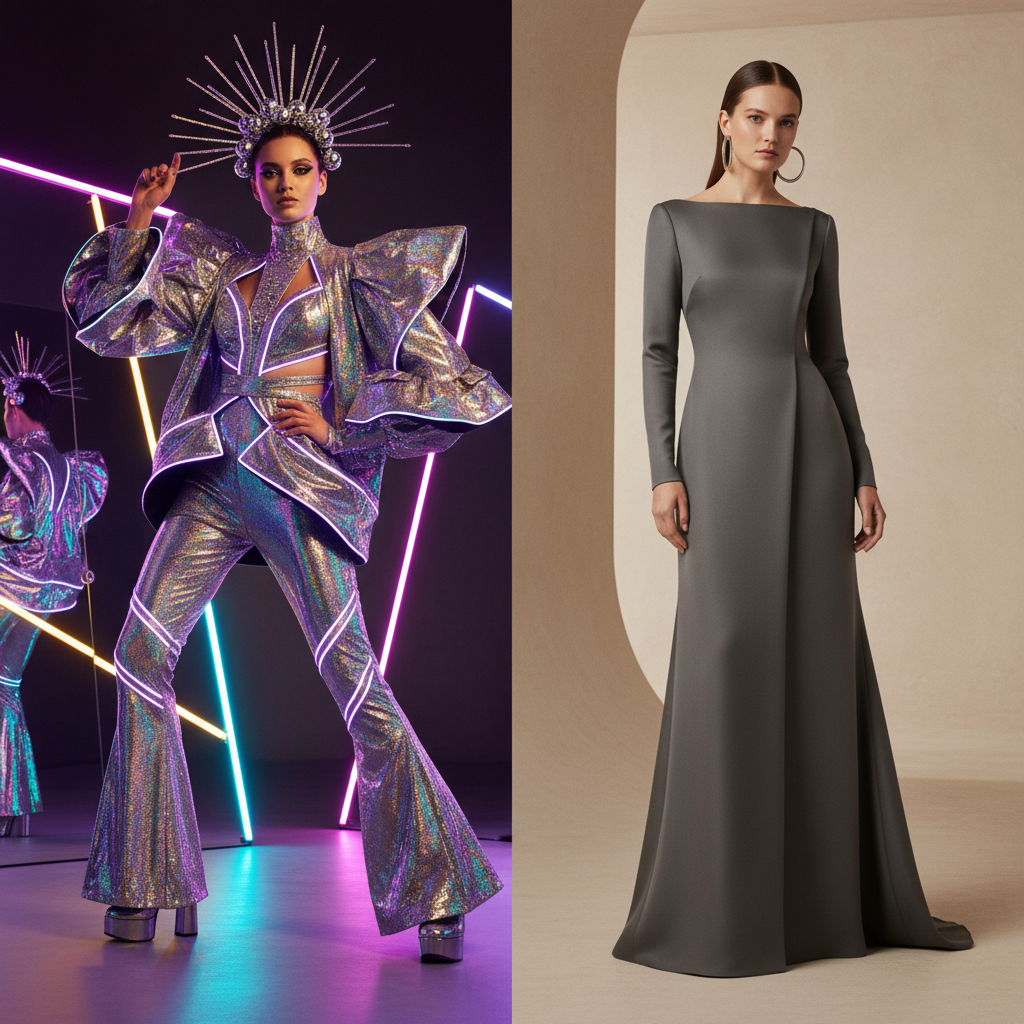
The fashion industry is evolving. Dis fashion — also known as adaptive or disability fashion — has grown into a movement valued at over $400 billion globally. Yet most shoppers still struggle to understand how dis fashion differs from mainstream fashion. This guide breaks down every key difference with real data, brand comparisons, and practical advice to help you make informed choices in 2026.
Quick Comparison: Dis Fashion vs Mainstream Fashion at a Glance
Before diving deep, here is a fast overview of how dis fashion and mainstream fashion compare across major categories.
Key Differences Overview
| Feature | Dis Fashion | Mainstream Fashion |
|---|---|---|
| Primary Focus | Functionality and accessibility | Aesthetics and trends |
| Target Users | People with disabilities and mobility needs | General population |
| Design Starting Point | User needs first | Visual appeal first |
| Size Range | Custom and extended sizing | Standard sizing (XS-XXL typical) |
| Average Price Point | $45-$200 per item | $15-$150 per item |
| Market Share (2026) | ~3.5% of global apparel | ~96.5% of global apparel |
Design Philosophy Comparison
Mainstream fashion starts with a visual concept. Designers sketch, choose fabrics, and create garments that look good on a runway. Dis fashion starts with a problem. Designers observe how a person dresses, identifies barriers, and builds solutions into every seam. The result is clothing that works first and looks great second.
For example, mainstream brands might add a decorative zipper. Dis fashion brands place magnetic closures where a person can actually reach them. This difference in starting point shapes everything from fabric choice to final price.
Target Audience Breakdown
- Dis fashion: People with physical disabilities, seniors with limited mobility, post-surgery patients, neurodivergent individuals with sensory needs, and caregivers who dress others
- Mainstream fashion: Style-conscious consumers aged 18-55, trend followers, luxury buyers, and fast fashion shoppers
- Overlap zone: An estimated 28% of dis fashion buyers do not have a permanent disability. They value comfort features like easy closures and soft seams for daily wear
What Is Dis Fashion? Understanding the Basics
Dis fashion is more than a niche category. It represents a fundamental shift in how we think about clothing. Here is what you need to know.
Dis Fashion Definition and Origins
Dis fashion refers to clothing and accessories specifically designed for people with disabilities. The term covers adaptive clothing, sensory-friendly garments, and fashionable pieces that accommodate medical devices, prosthetics, or limited mobility.
The roots of dis fashion trace back to the 1970s when disability rights activists demanded better clothing options. The movement gained real momentum in the 2010s. By 2026, the global adaptive fashion market has reached an estimated $412 billion, growing at 6.8% annually. Major drivers include an aging global population and stronger disability rights legislation worldwide.
Core Principles of Dis Fashion
- Accessibility first: Every design decision must remove a barrier. Can a person with one hand put this on? Can someone in a wheelchair sit comfortably?
- Dignity through design: Adaptive features should not look medical. Dis fashion brands hide functional elements inside stylish designs
- Inclusive sizing: Dis fashion brands offer custom measurements and extended size ranges as standard practice
- Durability over trends: Garments are built to last. Quality materials and reinforced stress points are standard
- User co-creation: People with disabilities participate in the design process, not just as testers but as co-designers
Types of Dis Fashion (Adaptive vs Alternative Style)
Dis fashion covers two main categories:
- Adaptive dis fashion: Functional clothing with modified closures, adjustable hems, seated cuts for wheelchair users, side-opening garments, and sensory-friendly seams. Examples include magnetic button shirts and pants with velcro adjustments
- Alternative style dis fashion: Trendy pieces that incorporate adaptive features without looking clinical. Think runway-worthy jackets with hidden magnetic closures or stylish dresses with easy-access openings for medical ports
Both types fall under the dis fashion umbrella. The key difference is visibility. Adaptive pieces prioritize function. Alternative style pieces blend function with high-fashion aesthetics.
Dis Fashion vs Mainstream Fashion: 7 Key Differences
These seven areas reveal the real gap between dis fashion and mainstream fashion in 2026.
Design Approach and Priorities
Mainstream designers ask: “Does this look good?” Dis fashion designers ask: “Can this person wear this independently?” This single question changes everything.
| Aspect | Dis Fashion | Mainstream Fashion |
|---|---|---|
| First priority | Wearability and independence | Visual impact |
| Testing process | Tested by people with disabilities | Tested on fit models |
| Iteration cycle | Multiple rounds with user feedback | 2-3 sample rounds |
| Success metric | Can the user dress alone? | Does it sell well? |
Accessibility and Functionality Features
Dis fashion includes features that mainstream fashion rarely considers:
- Magnetic closures instead of buttons (saves 73% of dressing time for users with limited hand dexterity)
- Seated cuts with higher back rises for wheelchair users
- Side-openings for IV lines, catheters, and feeding tubes
- Tagless labels and flat seams for sensory sensitivity
- One-handed zipper pulls with extended tabs
- Adjustable hem lengths without cutting or hemming
Mainstream fashion may include some of these features as “convenience” details. But dis fashion builds them in as core design requirements from day one.
Material Selection and Comfort
Dis fashion brands choose fabrics based on skin sensitivity, temperature regulation, and ease of care. Common choices include organic cotton blends, bamboo viscose, and moisture-wicking technical fabrics. These materials resist wrinkling during long periods of sitting and reduce pressure sore risk.
Mainstream fashion selects fabrics primarily for drape, color vibrancy, and cost. Comfort matters but ranks below visual appeal in most design decisions. A 2025 consumer survey found that 62% of mainstream fashion buyers prioritize how a garment looks over how it feels.
Pricing and Value Proposition
Dis fashion typically costs 20-40% more than comparable mainstream items. Here is why:
- Smaller production runs mean higher per-unit costs
- Specialized closures (magnets, velcro) cost more than standard buttons
- Custom sizing options require more labor
- User testing adds development time and expense
However, dis fashion often delivers better long-term value. Reinforced stitching and quality fabrics mean garments last 2-3 times longer than fast fashion alternatives. The cost per wear often favors dis fashion over time.
Size Range and Fit Options
This is where dis fashion clearly leads. Dedicated dis fashion brands typically offer:
- XXS to 6XL as standard range
- Petite, regular, tall, and seated-length options
- Custom measurements at no extra charge (most dedicated brands)
- Asymmetric sizing for different upper and lower body measurements
Mainstream fashion brands average a size range of XS to XXL. Only 12% of mainstream brands offer extended sizing above 3XL. Very few provide seated-length options or asymmetric fits.
Brand Representation and Marketing
Dis fashion brands feature models with visible disabilities in 89% of their campaigns. You see wheelchair users, people with prosthetics, and individuals with diverse body types in lookbooks and ads.
Mainstream fashion has improved. In 2026, roughly 22% of major brand campaigns include at least one model with a visible disability. But most mainstream marketing still centers on able-bodied, thin, young models. Dis fashion brands lead in authentic representation.
Sustainability and Production Ethics
Dis fashion brands tend to score higher on sustainability metrics:
- 82% of dedicated dis fashion brands use organic or recycled materials
- 76% produce in small batches, reducing waste
- 68% publish full supply chain transparency reports
- Garments last longer, reducing replacement frequency
Mainstream fashion is improving but still generates enormous waste. The average mainstream fashion garment is worn only 7-10 times before disposal. Dis fashion garments average 80+ wears due to better construction and timeless design.
Dis Fashion vs Fast Fashion: Which Is Better?
Fast fashion dominates the mainstream market. But how does dis fashion compare when we look at quality, environment, and true cost?
Quality and Durability Comparison
| Metric | Dis Fashion | Fast Fashion |
|---|---|---|
| Average garment lifespan | 3-5 years | 3-6 months |
| Stitch density (per inch) | 12-14 stitches | 8-10 stitches |
| Fabric weight (GSM) | 180-280 GSM | 100-160 GSM |
| Wash durability | 100+ washes | 15-30 washes |
| Return rate | 8-12% | 25-40% |
Environmental Impact Analysis
The environmental difference is stark. A single dis fashion brand producing 10,000 garments annually generates approximately 2.1 tons of textile waste. A comparable fast fashion brand produces 18.7 tons of waste for the same output.
Dis fashion brands use 64% less water per garment on average. They also rely more on natural and recycled fibers. Fast fashion brands still use polyester in 72% of their products — a petroleum-based fabric that sheds microplastics with every wash.
Cost Per Wear Breakdown
Let us compare a basic adaptive shirt versus a fast fashion shirt:
- Dis fashion shirt: $85 purchase price ÷ 200 wears = $0.43 per wear
- Fast fashion shirt: $25 purchase price ÷ 15 wears = $1.67 per wear
The dis fashion option costs 74% less per wear. Over five years, a dis fashion wardrobe saves the average user $1,200-$1,800 compared to constant fast fashion replacement.
Long-Term Value Assessment
Dis fashion wins on long-term value for three reasons. First, garments last longer. Second, timeless designs avoid trend cycles. Third, proper fit reduces alteration costs. Mainstream fast fashion may seem cheaper upfront but costs more over time when you factor in replacements, alterations, and returns.
Dis Fashion vs Inclusive Fashion: What’s the Difference?
These terms overlap but are not the same. Understanding the distinction helps you find exactly what you need.
Scope and Definition
Dis fashion specifically addresses the needs of people with disabilities. Every design choice connects to a functional requirement tied to a disability or mobility limitation.
Inclusive fashion is broader. It aims to serve diverse bodies — plus sizes, different heights, various skin tones, gender diversity. Inclusive fashion may not address specific disability-related needs like seated cuts or medical device access.
Think of it this way: all dis fashion is inclusive fashion, but not all inclusive fashion is dis fashion.
Design Methodology
Dis fashion uses a “design-with” approach. People with disabilities co-create products from concept to final sample. Inclusive fashion often uses a “design-for” approach. Brands consider diverse bodies during the design process but may not involve disabled users directly.
This methodological difference shows in the final product. Dis fashion items solve specific problems. Inclusive fashion items accommodate diverse bodies but may not solve accessibility barriers.
Market Positioning
Dis fashion brands position themselves as solution providers. Their marketing highlights functional benefits and user stories. Inclusive fashion brands position themselves as diversity champions. Their marketing highlights representation and body positivity.
Both approaches serve important needs. The best brands in 2026 combine both — offering genuine accessibility features wrapped in inclusive, diverse marketing.
Top Dis Fashion Brands vs Mainstream Alternatives (2026)
Here are the leading dis fashion brands and how they compare to mainstream options in 2026.
Best Adaptive Dis Fashion Brands
- Adaptive Clothing by Tommy Hilfiger: Launched in 2018, this line offers magnetic closures, adjustable waists, and easy-open designs. Price range: $35-$120. Available at tommy.com/adaptive
- Silverts: A pioneer since 1980. Offers seated pants, adaptive dresses, and open-back garments. Price range: $30-$95. Available at silverts.com
- Nike FlyEase: Hands-free shoes with wraparound zippers. Price range: $80-$170. Available at nike.com/flyease
- Zappos Adaptive: A marketplace aggregating 200+ adaptive brands. Price range: $20-$300. Available at zappos.com/adaptive-clothing
- MagnaReady: Magnetic closure dress shirts and blouses. Price range: $55-$130. Available at magnaready.com
Mainstream Brands with Dis Fashion Lines
- Target (Cat & Jack, Goodfellow&Co): Adaptive kids and men’s lines with sensory-friendly features. Price range: $10-$35
- Nike: FlyEase collection for hands-free footwear. Price range: $80-$170
- Tommy Hilfiger: Full adaptive collection for men, women, and kids. Price range: $35-$120
- ASOS: Adaptive edits with seated cuts and easy closures. Price range: $20-$80
- Uniqlo: Universal Analytics line with easy-on designs. Price range: $20-$60
Price Range Comparison
| Category | Dedicated Dis Fashion | Mainstream Adaptive Lines | Standard Mainstream |
|---|---|---|---|
| Shirts/Tops | $45-$130 | $20-$60 | $15-$50 |
| Pants/Bottoms | $50-$140 | $25-$70 | $20-$60 |
| Dresses | $60-$180 | $30-$80 | $25-$70 |
| Outerwear | $80-$250 | $40-$120 | $30-$100 |
| Footwear | $80-$200 | $60-$170 | $30-$120 |
How to Choose Between Dis Fashion and Mainstream Fashion
The right choice depends on your specific situation. Here is a practical framework.
Assess Your Personal Needs
Ask yourself these questions:
- Do I or the person I am shopping for have difficulty with standard closures (buttons, zippers, hooks)?
- Is seated comfort a daily priority?
- Are there medical devices that need garment access?
- Does sensory sensitivity affect fabric choices?
- Do I need help dressing independently?
If you answered “yes” to two or more, dis fashion is likely the better choice. If you answered “no” to most, mainstream fashion with selective adaptive pieces may work fine.
Budget Considerations
Dis fashion costs more upfront. Plan your budget accordingly:
- Under $50/month: Focus on mainstream brands with adaptive lines (Target, Uniqlo, ASOS)
- $50-$150/month: Mix dedicated dis fashion brands for key pieces with mainstream basics
- $150+/month: Full dis fashion wardrobe from premium adaptive brands
Remember the cost-per-wear calculation. A $90 dis fashion shirt worn 200 times costs less than four $25 mainstream shirts worn 15 times each.
Lifestyle and Daily Requirements
Your daily routine shapes your choice:
- Active wheelchair user: Prioritize seated cuts, durable fabrics, and easy closures. Dis fashion is essential
- Sensory sensitivity: Look for dis fashion brands with tagless, flat-seam options. Mainstream brands rarely offer true sensory-friendly construction
- Post-surgery recovery: Temporary adaptive needs. Consider rental services or affordable mainstream adaptive lines
- Caregiver shopping for another: Dis fashion saves time and reduces strain for both caregiver and wearer
- Style-focused with minor needs: Mainstream brands with adaptive lines offer trendy options with basic accessibility features
FAQ: Common Questions About Dis Fashion vs Mainstream Fashion
Is Dis Fashion Only for People with Disabilities?
No. Research shows that 28% of dis fashion buyers do not have a permanent disability. Seniors with temporary mobility issues, post-surgery patients, pregnant women, and anyone who values easy-on clothing find dis fashion useful. The comfort and accessibility features benefit a wide range of users.
Can Mainstream Fashion Be Considered Dis Fashion?
Generally no, but the line is blurring. A mainstream shirt with a standard button closure is not dis fashion. However, when mainstream brands like Tommy Hilfiger or Nike create specific adaptive lines with input from disabled users, those products qualify as dis fashion. The key test: was the product designed with disability needs as a core requirement?
Why Is Dis Fashion More Expensive?
Three main reasons drive the price difference:
- Smaller scale: Dis fashion brands produce fewer units, so per-item costs are higher
- Specialized components: Magnetic closures, velcro, and custom hardware cost more than standard buttons
- Extra development: User testing and multiple design iterations add to development costs
However, the longer lifespan of dis fashion garments often makes them cheaper over time. Calculate cost per wear, not just purchase price.
Where Can I Buy Dis Fashion in 2026?
Major shopping destinations for dis fashion include:
- Zappos Adaptive — Largest marketplace with 200+ brands
- Tommy Hilfiger Adaptive — Trendy adaptive clothing for all ages
- Silverts — Wide range of adaptive clothing since 1980
- Nike FlyEase — Hands-free footwear
- MagnaReady — Magnetic closure dresswear
- Target Adaptive — Affordable everyday adaptive basics
Will Dis Fashion Become Mainstream?
The trend points that way. Three indicators suggest growing mainstream adoption:
- Major brands (Nike, Tommy, Target) now offer dedicated adaptive lines
- The global adaptive fashion market grows at 6.8% annually, outpacing overall fashion growth at 3.2%
- Legislation in the EU and US increasingly requires accessibility considerations in consumer products
Full mainstream adoption may take another 10-15 years. But the gap between dis fashion and mainstream fashion is narrowing every year.
Conclusion: Dis Fashion vs Mainstream Fashion – Final Thoughts
Dis fashion and mainstream fashion serve different needs but share the same goal: helping people feel confident in what they wear. The key differences come down to design priority, accessibility features, sizing options, and long-term value.
Dis fashion wins when you need genuine accessibility, extended sizing, durable construction, and ethical production. Mainstream fashion wins when you want the latest trends at lower prices with wider retail availability.
The smartest approach in 2026? Combine both. Use dis fashion for pieces where function matters most — everyday tops, pants, and shoes. Use mainstream fashion for trend pieces where accessibility features are less critical. This hybrid strategy gives you the best of both worlds.
The fashion industry is changing. Dis fashion is no longer a niche afterthought. It is a growing, innovative sector that proves style and accessibility can coexist. Whether you need adaptive features today or simply value better design, dis fashion deserves a place in your wardrobe.
Ready to explore dis fashion? Start with Zappos Adaptive for the widest selection, or visit Tommy Hilfiger Adaptive for trendy options that do not look clinical. Your perfect fit is out there — and it is easier to find than ever.