
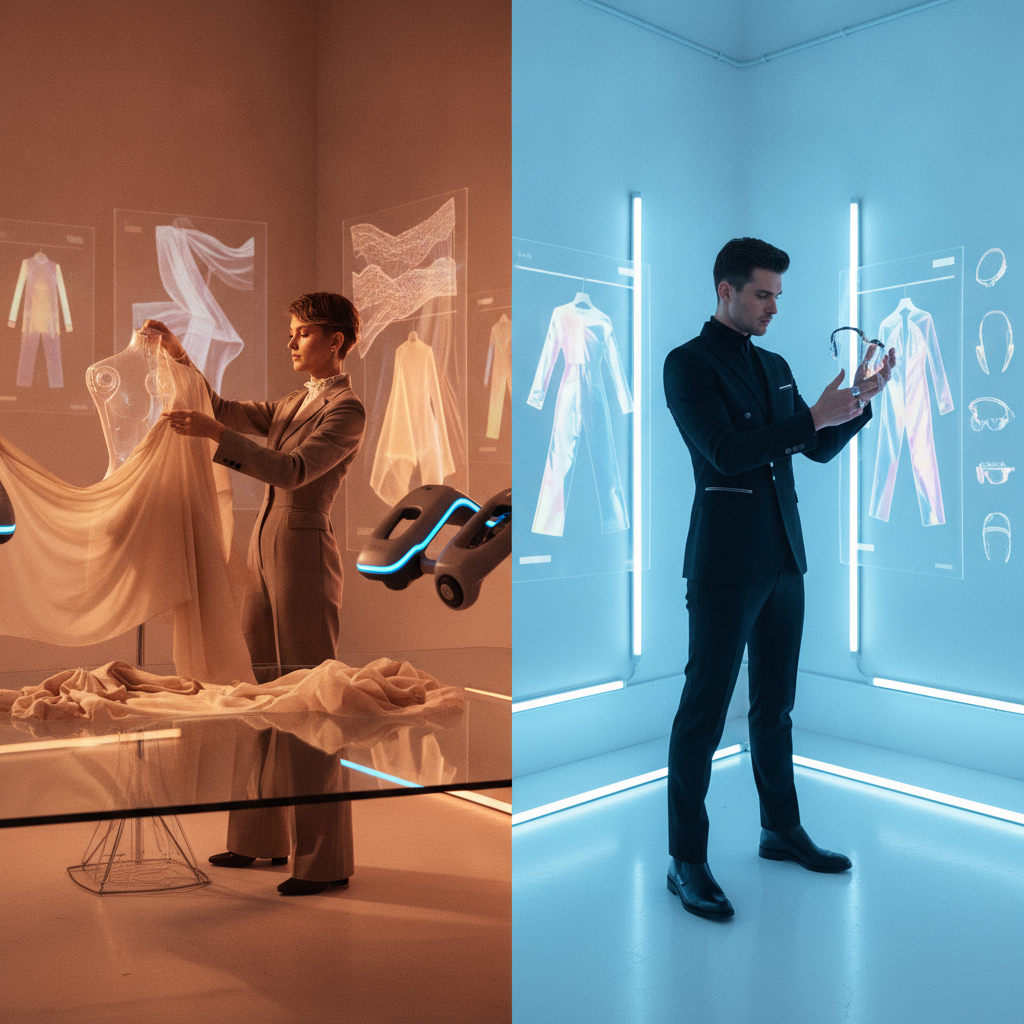
Choosing between a career as a fashion designer or fashion stylist starts with understanding what each role truly involves. Both shape how the world looks. But they work in very different ways. This guide breaks down every key difference. You will learn about skills, salary, tools, and daily tasks. By the end, you will know which path fits you best.
Quick Answer: Fashion Designer vs Fashion Stylist at a Glance
Core Difference in One Sentence
A fashion designer creates clothing from scratch. A fashion stylist selects and combines existing clothing to create a specific look.
Comparison Table: Fashion Designer vs Fashion Stylist
| Factor | Fashion Designer | Fashion Stylist |
|---|---|---|
| Core Role | Creates garments and accessories | Curates and styles outfits |
| Education | Bachelor’s degree (3-4 years) | Certificate or degree (optional) |
| Median Salary (2025) | $80,960 | $55,000-$85,000 |
| Key Tools | Adobe Illustrator, CLO 3D, sewing machines | Steamer, Pinterest, styling kit |
| Work Focus | Creation and production | Selection and presentation |
| Portfolio Need | Technical flats, finished garments | Styled looks, editorial work |
Which Role Suits Your Personality?
Choose fashion design if you love building things from nothing. You enjoy technical problem-solving. You care about fabric, fit, and construction.
Choose fashion styling if you love curating and combining. You have a strong eye for visuals. You enjoy working with people and telling stories through clothing.
What Is a Fashion Designer? Complete Role Breakdown
A fashion designer creates original clothing, accessories, and footwear. They sketch ideas. They select fabrics. They oversee production. Their work moves from concept to finished product.
Fashion Designer Responsibilities and Daily Tasks
- Research trends and consumer needs
- Sketch designs by hand or digitally
- Select fabrics, colors, and trims
- Create patterns and technical specifications
- Oversee sample making and fittings
- Work with manufacturers on production
- Review quality and approve final products
- Present collections to buyers or clients
Essential Skills for Fashion Designers in 2026
- Strong drawing and illustration ability
- Knowledge of textiles and fabric properties
- Patternmaking and draping skills
- Sewing and garment construction
- Proficiency in Adobe Illustrator and Photoshop
- 3D design software (CLO 3D, Browzwear)
- Understanding of production processes
- Trend forecasting and market awareness
- Attention to detail and precision
- Time management for seasonal deadlines
Tools and Software Fashion Designers Use
Modern fashion designers combine traditional craft with digital tools.
- Adobe Illustrator: Industry standard for technical flats and tech packs
- CLO 3D: 3D garment visualization and virtual sampling (~$50/month)
- Browzwear VStitcher: Enterprise 3D design and fit testing
- Adobe Photoshop: Mood boards, textile design, presentations
- Procreate: Digital sketching on iPad
- Gerber AccuMark: Industrial patternmaking and grading
- Techpacker: Digital tech packs and factory communication
- PLM Systems: Product lifecycle management (Centric, Backbone)
Get Adobe Illustrator | Try CLO 3D
Types of Fashion Designers (Haute Couture, Ready-to-Wear, Sustainable)
- Haute Couture: Custom-made luxury garments. One-of-a-kind pieces. Highest level of craftsmanship.
- Ready-to-Wear (Prêt-à-Porter): Factory-made clothing in standard sizes. Sold in boutiques and department stores.
- Mass Market: Affordable clothing produced at scale. Trend-driven. Quick turnaround.
- Sustainable Fashion: Eco-friendly materials. Ethical production. Circular design principles.
- Activewear: Performance fabrics. Functional design. Sports and fitness focus.
- Footwear and Accessories: Shoes, bags, belts, jewelry specialization.
Famous Fashion Designer Examples
- Coco Chanel: Revolutionized womenswear. Created the little black dress.
- Christian Dior: Defined the post-war “New Look.”
- Yves Saint Laurent: Made tuxedos for women. Pioneered ready-to-wear.
- Giorgio Armani: Master of soft tailoring and power suits.
- Stella McCartney: Leader in sustainable, animal-free luxury.
- Jonathan Anderson: Creative director at Loewe. Known for art-driven design.
- Demna: Balenciaga’s politically charged, oversized aesthetic.
- Tom Ford: Sensual, sharply tailored luxury.
What Is a Fashion Stylist? Complete Role Breakdown
A fashion stylist selects clothing and accessories to create specific looks. They work with individuals, brands, or publications. Their goal is visual storytelling through existing garments.
Fashion Stylist Responsibilities and Daily Tasks
- Meet with clients to understand their needs
- Research trends and gather inspiration
- Create mood boards and look concepts
- Source garments from showrooms, brands, or stores
- Pull samples and organize fittings
- Steam, press, and prepare clothing for shoots or events
- Style looks on set or for clients
- Make on-the-spot adjustments with pins, tape, or clips
- Return borrowed items and manage inventory
- Build and maintain industry relationships
Essential Skills for Fashion Stylists in 2026
- Strong visual eye and sense of color
- Knowledge of current and historical fashion trends
- Understanding of body types and proportions
- Excellent communication and people skills
- Ability to work under pressure and tight deadlines
- Organization and logistics management
- Networking and relationship building
- Photography and lighting awareness
- Digital content creation for social media
- Budgeting and cost management
Tools and Resources Fashion Stylists Use
Fashion stylists rely on both physical kits and digital platforms.
- Garment Steamer: Removes wrinkles before shoots and fittings
- Portable Clothing Rack: Holds outfits during transport and production
- Styling Kit: Safety pins, fashion tape, clips, mini sewing kit, lint roller
- Pinterest: Research and mood board creation
- Canva: Digital lookbooks and client presentations
- Milanote: Visual research and creative direction boards
- Stylebook or Indyx: Digital wardrobe cataloging and outfit planning
- Adobe Photoshop: Image retouching and presentation prep
- WGSN or Trendstop: Professional trend forecasting
Start with Canva | Try Milanote
Types of Fashion Stylists (Editorial, Personal, Commercial)
- Editorial Stylist: Works for magazines. Creates fashion stories and cover looks.
- Celebrity Stylist: Dresses actors, musicians, and public figures for events and red carpets.
- Personal Stylist: Works with individual clients. Updates wardrobes and teaches style.
- Commercial Stylist: Styles for advertising campaigns, e-commerce, and brand lookbooks.
- Wardrobe Stylist: Works in film, TV, or theater. Creates character costumes.
- Shopping Stylist: Helps clients buy new pieces. Often works in retail or as personal shopper.
Famous Fashion Stylist Examples
- Law Roach: Known for transformational red-carpet styling with Zendaya.
- Grace Coddington: Legendary Vogue creative director. Master of narrative fashion shoots.
- Carine Roitfeld: Former Vogue Paris editor. Provocative, sensual imagery.
- Elizabeth Stewart: Styles Cate Blanchett, Julia Roberts, and major actresses.
- Karla Welch: Works with Hailey Bieber, Justin Bieber, Tracee Ellis Ross.
- Lotta Volkova: Influential in avant-garde, subversive aesthetic.
- Ilaria Urbinati: Hollywood’s top menswear stylist. Works with Ryan Reynolds, Donald Glover.
- Anna Dello Russo: Theatrical, maximalist personal and editorial styling.
Fashion Designer vs Fashion Stylist: Key Differences Compared
Creative Focus: Creation vs Curation
Fashion designers focus on creation. They build garments from raw materials. They solve technical problems about fit, fabric, and construction. Their creativity is in invention.
Fashion stylists focus on curation. They select from existing pieces. They solve visual problems about color, proportion, and storytelling. Their creativity is in combination and context.
Education and Training Requirements
| Aspect | Fashion Designer | Fashion Stylist |
|---|---|---|
| Typical Education | Bachelor’s degree (BFA, B.Des) – 3 to 4 years | Certificate or degree – optional, 6 to 12 months possible |
| Core Training | Textiles, patternmaking, sewing, CAD, production | Visual storytelling, trend research, sourcing, client work |
| Certification Required | No mandatory license | No mandatory license |
| Most Important Entry Path | Internships and assistant roles at design houses | Assisting established stylists and building portfolio |
| Portfolio Focus | Technical drawings, finished garments, collections | Styled looks, editorial work, variety of clients |
Salary Comparison: Fashion Designer vs Fashion Stylist (2026 Data)
| Career Stage | Fashion Designer | Fashion Stylist |
|---|---|---|
| Entry-Level | $39,000-$55,000 | $35,000-$50,000 |
| Mid-Career | $52,000-$106,000 | $55,000-$85,000 |
| Senior/Established | $107,000-$147,000+ | $85,000-$150,000+ |
| Median (2025) | $80,960 | $55,000-$85,000 (estimated) |
Fashion designers have more predictable salary ranges. Fashion stylists often work freelance. Their income varies by project and client. Top celebrity stylists can earn significantly more than the ranges shown.
Work Environment and Career Paths
Fashion Designer Work Environment:
- Design studios and ateliers
- Manufacturing facilities
- Office settings for larger brands
- Travel for sourcing and production oversight
- Structured hours with seasonal deadlines
Fashion Stylist Work Environment:
- Photo sets and film locations
- Client homes or offices
- Showrooms and retail stores
- Red carpet events and fashion weeks
- Irregular hours based on shoots and events
Career Paths for Fashion Designers:
- Design Assistant
- Junior Designer
- Senior Designer
- Design Director
- Creative Director
- Launch own label
Career Paths for Fashion Stylists:
- Styling Assistant
- Junior Stylist
- Freelance Stylist
- Senior Stylist
- Fashion Director
- Creative Director or Image Consultant
Client Relationships and Collaboration
Fashion designers collaborate with product teams, patternmakers, sample makers, and manufacturers. Their end users are consumers who buy their products. Direct client contact is limited unless working in custom or couture.
Fashion stylists work directly with clients daily. They build personal relationships. They understand individual preferences, body types, and lifestyle needs. Collaboration extends to photographers, makeup artists, hair stylists, and art directors.
Freelance vs In-House Opportunities
Fashion Designers:
- In-house roles are more common at established brands
- Freelance designers work on specific collections or projects
- Many designers eventually launch their own labels
Fashion Stylists:
- Freelance work dominates the industry
- In-house roles exist at magazines, retail brands, or styling services
- Most stylists build independent careers with multiple clients
How Fashion Designers and Fashion Stylists Work Together
Runway Show Collaboration
Designers create the collection. Stylists help finalize the runway looks. They decide on styling details like layering, accessorizing, and hair/makeup coordination. The stylist ensures each model’s look supports the designer’s vision.
Editorial Photoshoots and Campaigns
Designers provide garments. Stylists create the visual story. They select which pieces to feature and how to combine them. The stylist works with the photographer to achieve the desired mood and message.
Celebrity Red Carpet Events
Designers loan or gift pieces. Stylists select the perfect look for the celebrity. They consider the event, the celebrity’s brand, and media impact. The stylist ensures proper fit and makes last-minute adjustments.
Brand Partnerships and Commercial Projects
Brands hire stylists to showcase their designs in advertising. Stylists understand how to present products attractively. They help brands communicate their identity to target consumers.
Career Transition: Can a Fashion Designer Become a Fashion Stylist?
Skills That Transfer Between Roles
- Strong understanding of garment construction
- Knowledge of fabrics and materials
- Eye for color, proportion, and silhouette
- Trend awareness and forecasting ability
- Visual presentation skills
- Industry contacts and brand relationships
Additional Training Needed for Career Switching
Designers moving to styling should develop:
- Client communication and consultation skills
- Sourcing and pulling garments from showrooms
- On-set styling techniques (steaming, pinning, taping)
- Working with photographers and creative teams
- Building a styling portfolio (different from design portfolio)
- Understanding editorial and commercial styling needs
Hybrid Careers: Fashion Creative Director
Creative directors often blend design and styling skills. They oversee the entire visual identity of a brand. They guide both product creation and how it is presented. This role requires deep knowledge of both disciplines.
Fashion Designer vs Fashion Stylist: Industry Trends in 2026
Impact of AI and Digital Fashion Tools
AI now helps fashion designers generate concepts, predict trends, and create virtual samples. Tools like CLO 3D and Browzwear reduce physical sampling waste. Designers use AI for mood boards and fabric simulation.
Fashion stylists use AI for outfit recommendations and virtual try-ons. Digital tools help them build client wardrobes and explore combinations faster. However, human judgment remains essential for final creative decisions.
Sustainability and Ethical Fashion Movements
Both roles face pressure to embrace sustainability. Designers must consider eco-friendly materials and circular production. Stylists can promote vintage, rental, and sustainable brands. The industry expects both to reduce waste and support ethical practices.
Virtual Styling and Digital Showrooms
Virtual showrooms let buyers and stylists view collections digitally. 3D garments can be styled on avatars before physical samples exist. This speeds up decision-making and reduces travel. Digital fashion shows reach global audiences instantly.
Social Media Influence on Both Roles
Social media has changed both careers. Designers must now be content creators. They share their process and personality directly with audiences. Stylists have become media brands themselves. They build followings through styled content and celebrity partnerships. Both roles require strong digital presence in 2026.
Which Career Is Right for You: Fashion Designer or Fashion Stylist?
Self-Assessment Questions
- Do you prefer making things from scratch or combining existing items?
- Are you more interested in technical construction or visual presentation?
- Do you enjoy working alone on detailed tasks or collaborating with people?
- Are you comfortable with irregular hours and freelance uncertainty?
- Do you want predictable salary or variable project-based income?
- Are you willing to invest 3-4 years in formal education?
Personality Traits for Each Role
Fashion Designer Traits:
- Detail-oriented and precise
- Technical problem-solver
- Patient with lengthy production processes
- Comfortable with structured workflows
- Passionate about craft and construction
Fashion Stylist Traits:
- Strong visual communicator
- Excellent people skills
- Adaptable and quick-thinking
- Comfortable with ambiguity and change
- Passionate about image and storytelling
Getting Started: First Steps in Fashion Design and Fashion Styling
To Start as a Fashion Designer:
- Learn to sew and understand garment construction
- Study fashion illustration and technical drawing
- Enroll in a fashion design program or take online courses
- Build a portfolio with original designs
- Seek internships at design houses or brands
- Learn industry software (Adobe Illustrator, CLO 3D)
To Start as a Fashion Stylist:
- Study fashion history and current trends
- Practice styling friends or creating looks on yourself
- Assist established stylists on shoots
- Build a portfolio with test shoots and editorial work
- Develop relationships with showrooms and brands
- Learn digital tools (Pinterest, Canva, Milanote)
Ready to start your fashion career? Explore fashion courses | Learn styling online
FAQ: Common Questions About Fashion Designers and Fashion Stylists
Can You Be Both a Fashion Designer and Fashion Stylist?
Yes. Many professionals work in both roles. Designers often style their own runway shows. Stylists with technical knowledge may design custom pieces. Creative directors typically need skills in both areas. The lines between the roles are becoming more flexible.
Do Fashion Designers Need to Know How to Style?
Basic styling knowledge helps designers present their work effectively. They need to understand how garments look when worn. However, deep styling expertise is not required. Many designers collaborate with stylists for presentations and campaigns.
Who Earns More: Fashion Designer or Fashion Stylist?
Fashion designers have more predictable salaries. The median is $80,960 (2025). Fashion stylists earn $55,000-$85,000 on average. However, top celebrity stylists and established freelance stylists can earn $150,000 or more. At the highest level, both roles can be very lucrative.
Is Fashion Styling Harder Than Fashion Design?
Neither is objectively harder. They require different skills. Fashion design demands technical mastery and patience with production. Fashion styling demands strong people skills and ability to work under pressure. Both face intense competition. Success in either requires dedication and talent.
What Degree Do You Need to Become a Fashion Designer or Fashion Stylist?
Fashion designers typically need a bachelor’s degree in fashion design or related field. This takes 3-4 years. Fashion stylists do not require a specific degree. Many succeed with certificates, workshops, or self-study. For stylists, portfolio and experience matter more than formal education.